

Customer relationship management (CRM)
What is a CRM system?
The role of CRM software
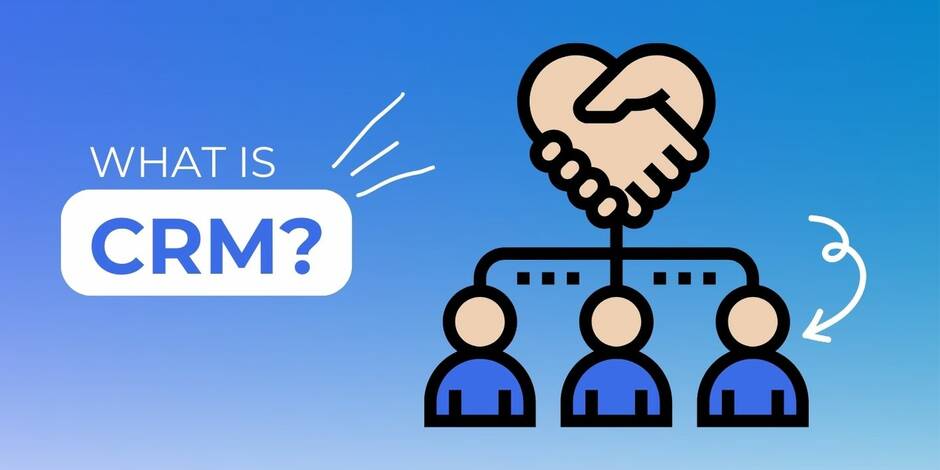
Customer Relationship Management is powered by the right technology: CRM software enables businesses to standardize, implement, and efficiently execute their CRM strategies and processes. Typically, CRM systems are organized into three core areas—marketing, sales, and service—all built on a central database.
A CRM tool allows companies to manage and track every interaction with customers and prospects throughout the entire customer journey. Thanks to integrated reporting features, these interactions can be monitored in real time.
There is often significant overlap with ERP systems (enterprise resource planning), which serve as comprehensive solutions for managing operational resources.
CRM software provides a secure repository for:
- Contacts
- Sales opportunities
- Activities
- Appointments
- Emails
By centralizing this data and making it accessible to all relevant stakeholders, CRM software improves internal organization and enhances transparency and efficiency in customer communication.
Another key benefit of CRM software is its ability to streamline and standardize the sales process. By reducing administrative tasks, sales teams can focus more on selling and work more efficiently, leading to improved performance.
Additionally, CRM software enables targeted outreach to potential customers through data segmentation and analysis, helping businesses optimize sales opportunities.
The benefits of CRM systems in everyday business
Using CRM software in day-to-day operations offers numerous advantages. In marketing, it helps build strong customer relationships, increasing customer lifetime value and fostering loyalty.
CRM systems also play a key role in sales and customer service. They support relationship management and enhance service quality and customer satisfaction by strengthening customer loyalty. Finally, small and medium-sized enterprises benefit significantly from CRM systems, as they simplify customer data management and optimize customer interactions.
Why do you need a CRM?
For many companies, managing customer data and contacts can be error-prone. Redundant records, duplicates, or missing transaction details often hinder the development of strong customer relationships. A clear strategy for maintaining, managing, and updating address data within the organization benefits all users and strengthens customer focus.
Employees who interact with customers can deliver the best possible service when they have access to essential data and documents at any time. When all key information is readily available, unnecessary delays and mistakes are avoided.
The most important components of a CRM system
An effective CRM solution supports customer relationship management across the key areas of sales, marketing, and customer service. This enables your company to track and manage every customer touchpoint, providing a complete and accurate view of customer needs and relationships.
However, this alone is not enough to meet rising customer expectations or anticipate future trends. A strong focus on continuous innovation is therefore essential in the CRM software industry. Only by staying up to date can companies ensure their CRM solution delivers maximum value.
Analytical CRM system
Analytical CRM is a key component of an effective CRM solution. It focuses on systematically evaluating customer data to gain deeper insights into customer behavior and leverage the benefits of data-driven decision-making.
Using tools such as data warehouses, data mining modules, and OLAP systems, customer data can be collected, processed, and analyzed. This enables businesses to generate valuable insights that support customer-specific recommendations and optimize marketing and sales strategies.
Operational CRM system
Operational CRM software is another essential element of a comprehensive CRM system. It helps employees save time, allowing them to focus more on customer needs.
Operational CRM aims to centralize customer interactions and critical processes to improve overall business efficiency. By automating tasks such as lead generation, conversion, and customer retention, operational CRM significantly contributes to streamlining workflows and enhancing customer relationships.
Collaborative CRM system
Collaborative CRM software fosters both internal and external collaboration to create a unified view of customers and enhance the overall customer experience. Its components include tools for efficient partner and supplier management, helping optimize relationships and interactions with external stakeholders.
A practical example is Rhomberg Bau GmbH, which uses Microsoft’s system as a collaborative CRM solution to strengthen partnerships and provide suppliers with the tools they need to improve these relationships.
Selection criteria for the right CRM system
Adaptation to company requirements
Choosing the right CRM system is a critical task for any business—from requirements analysis and system selection to implementation and training. The system must align with the company’s specific goals and be capable of mapping, standardizing, and automating customer-focused processes.
Important features of CRM software
To meet individual business needs, a CRM system should offer:
- Flexibility
- Reliability
- Mobile usability
- Integration options
- User-friendliness
Ensuring user acceptance
To maximize the benefits of customer relationship management, it’s essential to analyze the company’s current state and gather internal feedback. Involving future users early in the process helps ensure high user acceptance of the CRM system.
Individuality of CRM software
Customizing the CRM system—including role assignments and access permissions—should be a key step after data migration.
Microsoft as a leading CRM system partner
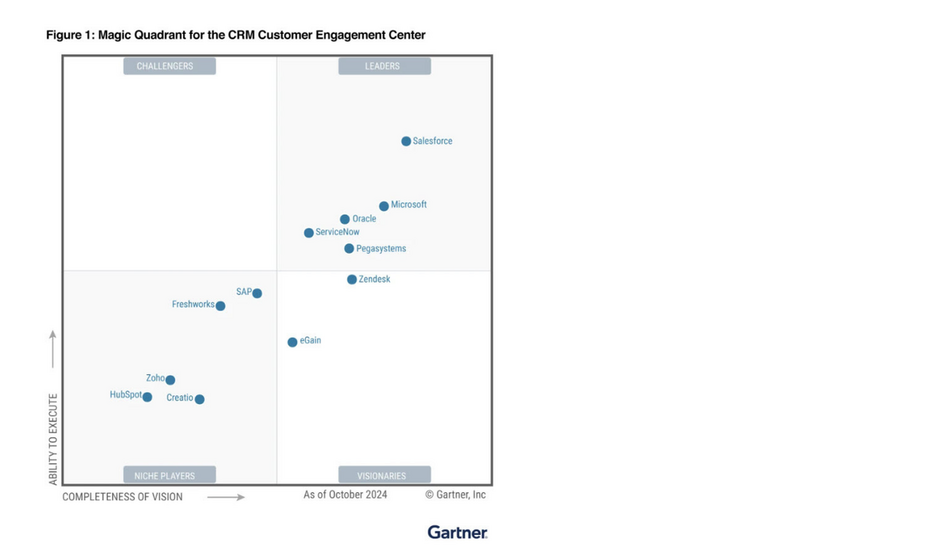
For the thirteenth year in a row, Microsoft has been recognized as a leader in the Gartner Magic Quadrant 2023. The evaluation highlighted Microsoft’s strong focus on empowering sales teams through automation and artificial intelligence, as well as ensuring customer data is accessible in a centralized location.
What makes CRM software successful?
Customer-centric processes and interactions
Ideally, customers should experience every interaction with the company as positive. Achieving this requires well-coordinated internal processes and clearly defined interfaces behind the scenes.
Ease of use as the key to acceptance
A simple, intuitive user interface is essential for CRM adoption. The easier the system is to use, the more likely employees are to embrace it and keep it updated. Standardized processes help staff perform sales and consulting tasks more effectively. At the same time, managers can monitor the sales pipeline more efficiently and access reliable information about market opportunities.
Central address management
A robust CRM system includes a centralized address database. Authorized employees can access all relevant data—such as transaction details, selection criteria, and communication history—from one location. This simplifies tasks like creating customer or prospect lists and prevents redundant datasets and marketing lists.
Acquiring new customers
Acquiring new customers is costly in today’s competitive market. A CRM solution helps identify and classify new leads quickly and efficiently. This enables companies to deliver tailored information to potential customers at the right stage of the buying process. As a result, response times improve, and lead qualification and prioritization become faster—boosting customer acquisition.
360° customer view
With just a click, Microsoft’s CRM system provides a complete 360° view of customers or prospects. This includes all activities—such as appointments, emails, and tasks—along with enriched customer data from external sources. Technical integration makes it possible to combine address data with behavioral insights, customer characteristics, and interaction history. This helps identify untapped potential, enabling sales teams to increase revenue through targeted outreach.
Inbound marketing
Attracting prospects through lead magnets is part of inbound marketing. By tracking search behavior, businesses can respond to customer interests and interactions in a targeted way. Calls to action help identify customer needs along the journey, allowing companies to tailor content accordingly.
Increase customer lifetime value
Understanding customers better opens opportunities for cross-selling and upselling. This strategy increases the likelihood of winning new projects with existing clients and building more profitable relationships. A clear view of your target group enables better service—and satisfied customers often become loyal ones. Studies show that loyal customers spend up to 33% more on average.
Collaboration between marketing, sales, and service
CRM systems also strengthen internal processes. Collaboration between marketing, sales, and service is essential to ensure no information is lost and cross-departmental workflows run smoothly.
Cloud CRM
Cloud CRM systems offer a cost-effective solution with minimal upfront investment thanks to their pay-as-you-go subscription model. They provide instant access to real-time information and automate key processes such as lead qualification and closing sales deals. A cloud-based approach ensures rapid implementation and a high degree of flexibility.
Additionally, cloud solutions help reduce customer service costs by enabling self-service options. Customers can resolve common issues independently using online tools such as FAQ sections. However, when using CRM solutions in the cloud, contracts must comply with the requirements for order processing under Article 28 of the GDPR to ensure data protection compliance.
Practical application of CRM tools
The practical use of CRM tools offers numerous advantages for businesses. For example, collaborative CRM features provide a 360-degree view of customers, improving loyalty and optimizing the overall customer experience.
Cloud-based CRM systems allow real-time data access from anywhere in the organization. This means sales teams can retrieve critical customer information on the go and stay up to date. CRM tools are widely used in sales, marketing, and customer service to monitor and strengthen customer relationships effectively.
CRM in sales management
CRM software helps businesses identify the right time to contact customers and improve interactions by providing relevant information. This not only saves time but also ensures more efficient and targeted communication.
A CRM system enables:
- More efficient use of sales team time
- A streamlined communication process
- Easy access to customer information
- Automation of processes such as lead generation and conversion
- Significant contributions to increasing sales opportunities and revenue
CRM in marketing
In e-commerce marketing, CRM systems help personalize the online experience based on a user’s purchase and browsing history. For example, Amazon uses CRM systems to deliver tailored product recommendations and create a personalized shopping experience.
Segmentation within CRM software enables targeted customer grouping and personalized outreach. By analyzing demographic data and behavior, marketing campaigns can be designed more effectively. An operational CRM system also supports campaign planning, execution, and the selection of the most effective communication channels.
CRM in customer service
CRM tools empower customer service teams to deliver exceptional support. They allow teams to:
- Access customer files and view stored information, reducing response times
- Automate complaint handling and inquiries
- Send automatic reminders and offers to customers
This makes customer service more efficient and customer-focused. By automating processes, an operational CRM system significantly contributes to improving customer satisfaction and loyalty.
Data protection and CRM
The General Data Protection Regulation (GDPR) has governed the handling of personal data across Europe since May 25, 2018, and therefore also applies to CRM systems. Companies may process personal data only on the basis of legal grounds or with the consent of the individual concerned.
Compliance with consent requirements and other legal bases for data processing within a CRM system is essential for companies to meet GDPR standards. It is therefore crucial that CRM systems support the collection and documentation of consent and provide capabilities for recording data structures and processing purposes.
CRM integration into the existing IT infrastructure
Integrating CRM functionality into a company’s existing IT infrastructure is a key factor for successful CRM implementation. Choosing the right integration approach is essential to connect CRM systems with business requirements while supporting scalability and growth.
Setting up bidirectional data synchronization between CRM and other systems ensures that information remains up to date across all platforms. However, technical hurdles, compatibility issues, security considerations, and cost management are major challenges during integration.
A thorough analysis and cleansing of existing data, along with close collaboration with CRM providers, are necessary steps for successful data migration.
Trends in CRM
Artificial intelligence (AI) is rapidly making its way into CRM programs and is now considered a standard feature in most CRM systems. AI has become particularly important for personalizing and automating customer interactions. Chat-based AI tools such as OpenAI’s ChatGPT offer innovative applications in customer relationship management—for example, personalizing communication content or assisting in campaign creation.
Another emerging trend is the use of user-generated content in CRM. The goal is to strengthen brand authenticity and build customer trust, for instance by integrating customer reviews or photos into communications.
Riccardo Marciello | Solution Sales Specialist
Then I would be happy to advise you personally. Give me a call: 058 200 14 14 or book a consultation with me directly. I am looking forward to hearing from you. >>Book an initial consultation here.
Contact us